Seasonal equipment transport requires more than having the right truck and trailer available. Changing weather and jobsite conditions can affect how machinery moves between projects.
Weather, job-site access, equipment condition, project sequencing, and transportation timing all influence the process. When seasons change, those factors can change with them.
For contractors in Eugene and surrounding Oregon communities, the transition from summer into fall is a good time to review equipment transportation plans and prepare fleets for wetter conditions and changing project demands.
Here’s what contractors should consider.
How Weather Affects Seasonal Equipment Transport
Weather is one of the most important factors affecting seasonal equipment transport, especially as Oregon transitions from dry summer conditions to wetter fall weather.
Fall rain can affect visibility, road conditions, and job-site access. Conditions at a construction site may also change significantly after rainfall, particularly when equipment must be loaded or unloaded on unpaved surfaces.
This means project managers should monitor more than the highway forecast.
Consider the condition of staging areas, access roads, slopes, and unloading locations. A destination that was easily accessible during dry summer conditions may require a different approach after sustained rain.
Building flexibility into transportation schedules allows teams to respond to changing conditions without unnecessarily disrupting the overall project.
Shorter Days Affect Scheduling
September begins the gradual shift toward shorter daylight hours.
For seasonal equipment transport, daylight can be valuable during loading, unloading, inspections, and maneuvering around active construction sites.
Contractors should consider available daylight when coordinating equipment moves, particularly at sites with limited lighting or complicated access.
Earlier scheduling may also give crews more time to respond if loading takes longer than expected or site conditions need to be addressed before equipment can be unloaded.
Site Access Can Change Quickly
A transportation plan is only useful if the equipment can actually reach its destination.
Fall rain can soften unpaved surfaces, create muddy entrances, and alter staging conditions.
Before transportation begins, communicate with the receiving job site.
Confirm where the equipment will be unloaded, whether access conditions have changed, and whether adequate space is available for the transport vehicle.
This is especially important when multiple contractors or crews are working at the same location.
Equipment Condition Matters Too
Seasonal transportation planning should include mechanical preparation.
Equipment that has worked heavily throughout summer may need maintenance before continuing into fall. Transport trucks should also be inspected for developing problems.
Anderson Brothers provides medium- and heavy-duty truck repair in Eugene, including brake, suspension, clutch, driveline, and maintenance services. It also works with major truck brands such as Freightliner, Kenworth, Peterbilt, Mack, Volvo, and Cummins-powered applications.
Routine inspection can identify worn or damaged components before they create an interruption during an important equipment move.
Transportation and Preventive Maintenance Work Together
Seasonal equipment transport and preventive maintenance should not be treated as completely separate parts of construction planning. Proper maintenance and reducing unnecessary diesel engine idling can also help contractors manage fuel consumption and emissions during equipment operations.
If machinery needs to move between projects, transportation downtime can sometimes be coordinated with inspections or scheduled maintenance. Similarly, contractors should avoid planning critical equipment moves around trucks or machinery with unresolved mechanical concerns.
Anderson Brothers has previously advised Oregon contractors to organize equipment transportation alongside preventative maintenance, daily inspections, and operator awareness as part of reducing avoidable downtime.
This coordinated approach becomes increasingly useful when project schedules remain busy but seasonal conditions become less predictable.
Parts Availability Can Affect Downtime
A small mechanical issue can become a larger scheduling problem when the required part isn’t readily available.
Fleet managers preparing for fall should review common wear items and address known maintenance needs before the equipment is committed to a tight project schedule.
Anderson Brothers carries new and used truck parts and offers local delivery in Eugene and Springfield. Available categories include brake and suspension-related components, filters, exhaust parts, straps and tie-downs, and other truck accessories.
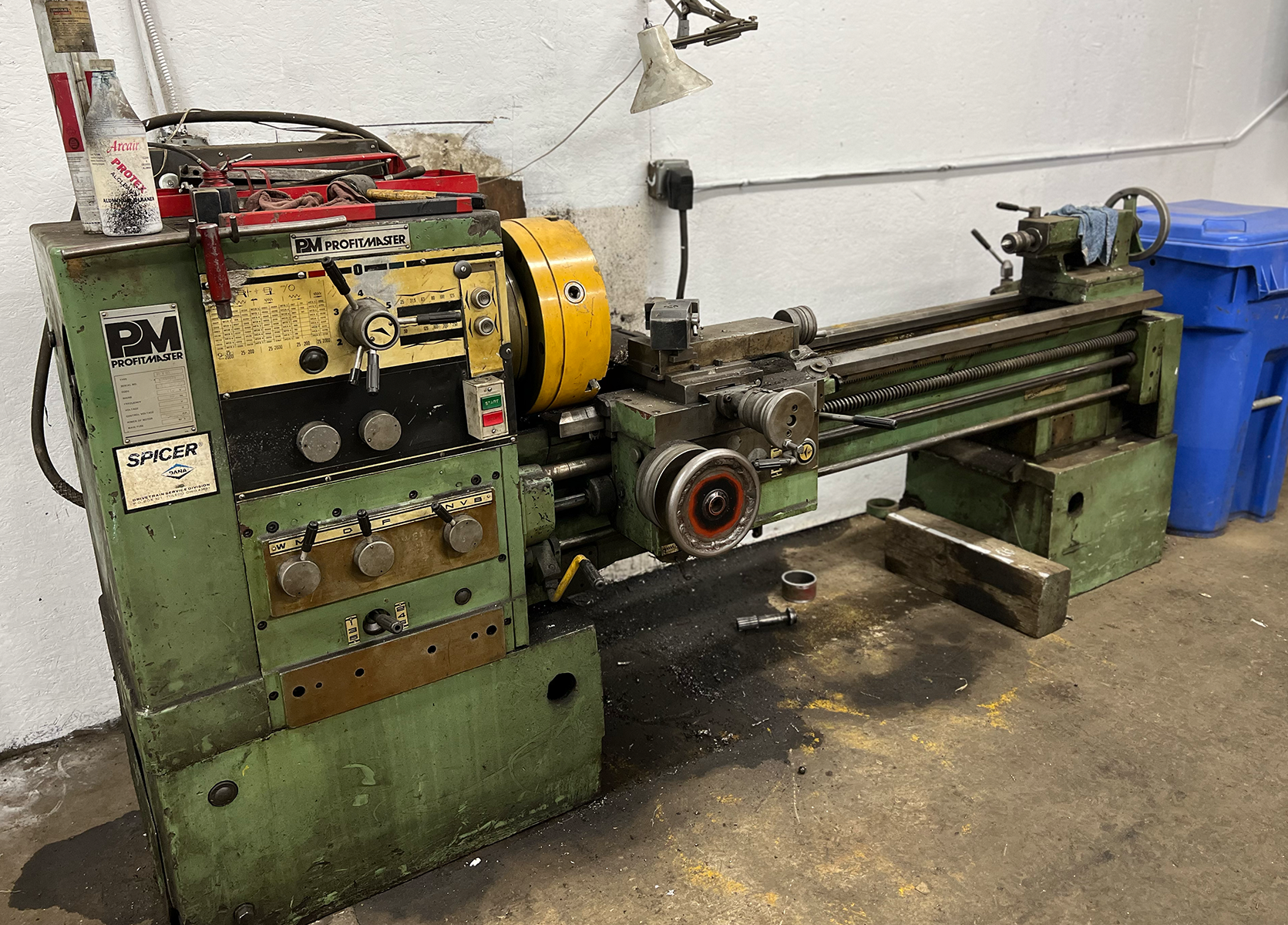
The company also provides custom driveline fabrication and custom U-bolt bending for applications requiring specialized solutions.
Communication Becomes Even More Important
Seasonal equipment transport involves changing weather, scheduling demands, and jobsite conditions, making clear communication essential for contractors.
Before each move, confirm:
- Pickup and delivery times
- Equipment specifications
- Loading and unloading locations
- Current site access
- Weather conditions
- Project schedule changes
- Equipment readiness
If conditions change, communicate those changes before the truck arrives whenever possible.
A few minutes spent confirming details can prevent crews from waiting at the wrong location or arriving at a site that isn’t ready for delivery.
Plan for the Season, Not Just the Next Move
Efficient seasonal equipment transport is part of broader project planning, especially when weather conditions and construction schedules become less predictable.
Instead of treating every move as an isolated task, contractors can map out expected equipment needs over the coming weeks. Knowing which machines need to move, where they’re going, and when they’ll be required helps identify scheduling conflicts earlier.
These planning practices are also important for heavy hauling services in Eugene, OR, where delayed equipment deliveries can affect construction timelines.
This is particularly valuable during fall when weather may reduce flexibility.
Anderson Brothers Trucking & Equipment has been serving Eugene since 1949, providing truck parts, repairs, fabrication, and equipment support to help keep commercial vehicles and equipment working.
That long-standing local experience provides useful context when contractors are preparing equipment and fleets for Oregon’s changing seasons.
Prepare for Seasonal Equipment Transport in Eugene, OR
Seasonal transitions don’t have to derail construction schedules.
Monitor weather, confirm job-site access, inspect equipment and transport vehicles, address maintenance concerns, and keep communication open between everyone involved in the move.
Most importantly, plan beyond today’s project. Looking ahead gives your team more room to adjust when fall conditions change.
Plan your fall hauling schedule with Anderson Brothers Trucking & Equipment and keep your Eugene-area projects moving through the seasonal transition.