September marks a transition for construction crews throughout Eugene, Oregon. Summer projects may still be underway, but shorter days and changing weather begin adding new considerations to job-site planning.
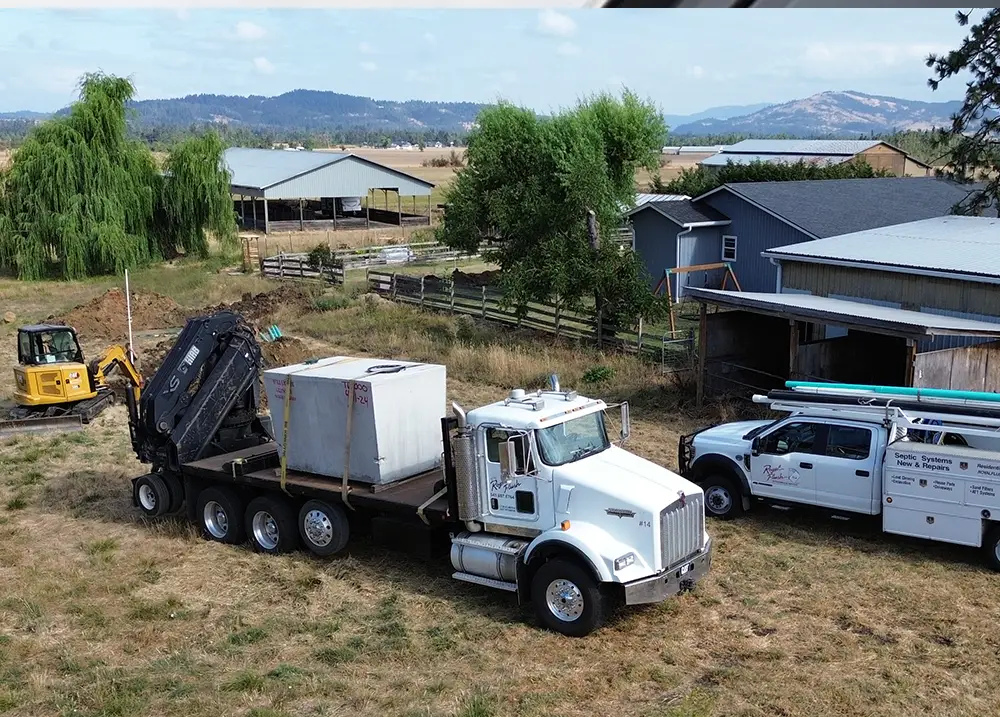
For contractors managing excavators, loaders, skid steers, and other heavy equipment, fall preparation isn’t limited to the job site. How and when equipment moves between projects can also affect schedules and productivity.
Planning construction hauling ahead of changing fall conditions can help crews stay organized and reduce avoidable transportation delays.
Anderson Brothers Trucking & Equipment has served Eugene since 1949 and supports local contractors and truck operators with equipment-related services, truck repair, parts, drivelines, custom U-bolts, and transportation planning.
Why Fall Hauling Requires More Planning
Equipment transportation is always a logistical task, but seasonal changes can add variables.
A summer hauling schedule developed around long daylight hours and relatively predictable job-site conditions may need to be adjusted as fall progresses. Rain can affect access roads and staging areas, while shorter daylight hours can narrow the practical window for loading, unloading, and positioning equipment.
Contractors should consider these changes before scheduling moves rather than waiting until conditions create a problem.
A fall hauling plan should account for:
- Equipment size and weight
- Pickup and delivery locations
- Job-site access
- Loading and unloading areas
- Project deadlines
- Weather forecasts
- Equipment availability
- Transportation requirements
The earlier these details are confirmed, the easier it is to coordinate equipment movements with the rest of the construction schedule.
Prepare for Wetter Job-Site Conditions
Fall weather in western Oregon can mean increasingly wet conditions as the season progresses.
Rain can affect more than the road itself. Unpaved job-site entrances, staging areas, slopes, and loading zones may become muddy or difficult to navigate.
Before an equipment move, evaluate both the pickup and destination sites.
Can the transport vehicle reach the loading area? Is there enough room to maneuver? Is the unloading surface stable? Could recent rainfall change access?
These questions are particularly important when moving heavy equipment.
Good transportation planning considers the entire move—not simply the distance between two addresses.
Coordinate Equipment Moves With Project Schedules
Construction projects depend on sequencing.
One crew may need an excavator before another phase can begin. A loader may need to move from a completed project to another active site. If equipment arrives late, the delay can affect operators, subcontractors, and other scheduled work.
Anderson Brothers has previously highlighted organized equipment transportation as an important part of reducing construction downtime. Contractors working throughout Eugene, Springfield, Lane County, and nearby communities may have machinery spread across several projects at once.
Planning moves in advance helps ensure equipment is positioned where it is needed when crews are ready to use it.
Inspect Equipment Before Transport
Fall hauling preparation should also include equipment inspections.
Before machinery is transported, operators should look for obvious mechanical problems, fluid leaks, damaged tires or tracks, loose components, and other concerns.
The transport vehicle deserves the same attention.
Anderson Brothers provides repair and maintenance services for medium- and heavy-duty trucks, including brake service, suspension repair, driveline work, clutch repair, oil changes, and other mechanical services.
A truck or piece of equipment that needs maintenance can create scheduling problems before transportation even begins.
Addressing known mechanical issues before a busy fall schedule is preferable to discovering them when equipment is supposed to be moving to the next project.
Don’t Overlook Drivelines and Suspension Components
Hauling places demands on medium- and heavy-duty trucks, making the condition of critical components particularly important.
Driveline problems may produce vibration, unusual noises, or other changes in vehicle operation. Suspension components also play an important role in vehicle stability and handling under load.
Anderson Brothers specializes in driveline repair and custom fabrication and provides suspension and other heavy-duty truck repairs in Eugene.
Drivers and fleet managers should report changes in vehicle performance promptly rather than allowing minor concerns to continue through a demanding hauling schedule.
Have a Plan for Parts and Repairs
Even with careful preparation, equipment and trucks can develop mechanical problems.
Having a local resource for parts and repairs can reduce the amount of time spent searching for solutions.
Anderson Brothers supplies new and used truck parts for medium- and heavy-duty vehicles, including brakes and drums, wheel shafts, filters, exhaust components, straps and tie-downs, and other accessories. Local parts delivery is available in Eugene and Springfield.
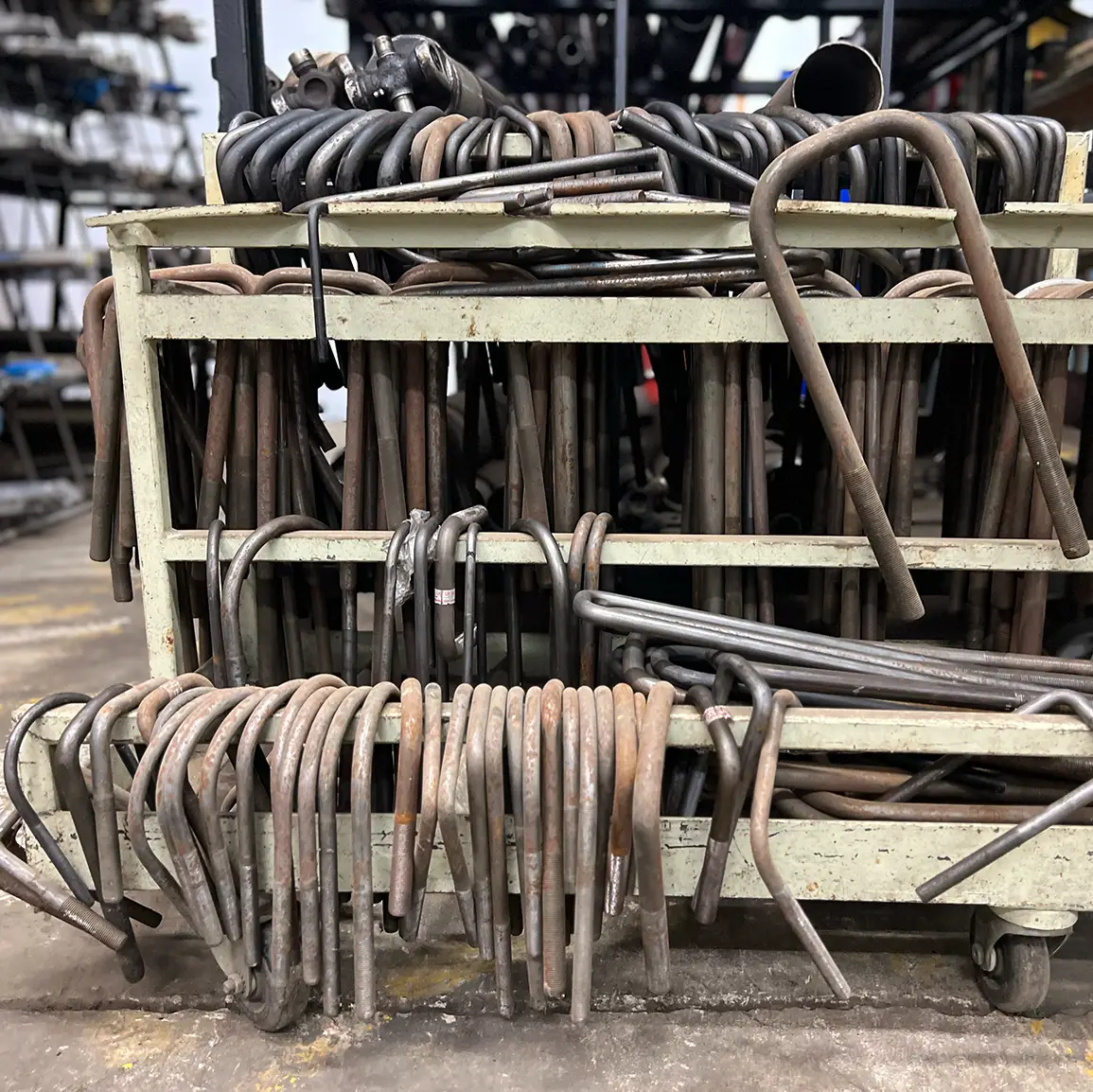
The company also provides custom U-bolt bending and driveline fabrication, giving local truck operators access to specialized support when standard off-the-shelf solutions aren’t appropriate.
Build Flexibility Into Your Fall Schedule
Weather and construction conditions can change quickly.
Leaving some flexibility between equipment moves can help contractors respond when a site isn’t ready, a project runs longer than expected, or weather affects access.
Communication is equally important. Project managers, operators, transportation providers, and site supervisors should understand when equipment is expected to move and whether site conditions have changed.
Good hauling logistics are ultimately about keeping the entire operation coordinated.
Plan Ahead for Fall Construction in Eugene
Fall construction doesn’t automatically mean work slows down. It does mean contractors need to account for changing conditions.
Inspect equipment, evaluate site access, coordinate transportation with project schedules, monitor the weather, and address maintenance needs before they become interruptions.
With planning in place, contractors can keep equipment moving between Eugene-area projects as efficiently as conditions allow.
Plan your fall hauling schedule with Anderson Brothers Trucking & Equipment and prepare your fleet and equipment for the changing season.