The busiest months of the construction season are often when equipment is pushed the hardest and preventative maintenance gets pushed aside. Unfortunately, that is also when unexpected breakdowns create the biggest problems.
A single piece of equipment taken out of service can delay multiple crews, interrupt project schedules, slow deliveries, and create unnecessary stress across an entire job site. Most equipment downtime is preventable when contractors focus on maintenance, inspections, operator awareness, and organized transportation before problems develop.
If you want your fleet working consistently throughout Oregon’s peak construction season, these five strategies should be part of your operation.
What Causes Heavy Equipment Downtime?
The most common causes of construction equipment downtime include skipped preventative maintenance, worn hydraulic components, operator error, overheating, transportation delays, fluid leaks, and mechanical issues that go unnoticed during routine inspections.
Identifying these problems early helps contractors avoid larger repairs and keeps projects moving on schedule.
1. Follow a Preventative Maintenance Schedule
Preventative maintenance remains the most effective way to reduce unexpected equipment failures.
Instead of waiting until a machine breaks down, schedule maintenance according to:
- Operating hours
- Manufacturer recommendations
- Equipment age
- Job site conditions
- Seasonal workload
Construction equipment working through Oregon’s busy summer months often experiences longer operating hours, increased dust exposure, and heavier workloads. Regular service appointments help identify worn belts, filters, hydraulic hoses, and other components before they fail in the field.
Preventative maintenance keeps excavators, loaders, skid steers, and other heavy equipment operating safely while reducing interruptions during critical projects.
2. Make Daily Equipment Inspections Part of Every Shift
Many equipment failures begin with small problems that are easy to spot during a routine walk-around inspection.
Operators should check for:
- Fluid leaks
- Loose or damaged hoses
- Tire or track damage
- Warning lights
- Unusual engine sounds
- Reduced hydraulic performance
- Damaged safety equipment
A daily inspection only takes a few minutes, but it can prevent equipment from sitting idle for days because of a problem that could have been caught early.
Consistency matters more than speed. Every inspection provides another opportunity to catch developing issues before they become major repairs.
3. Train Operators to Recognize Early Warning Signs
Even the best maintenance program cannot prevent every issue. Experienced operators play an important role by identifying problems before equipment fails.
Warning signs may include:
- Excessive vibration
- Engine overheating
- Abnormal exhaust smoke
- Difficulty starting
- Changes in fuel consumption
- Slower hydraulic response
- Unusual noises during operation
Encourage operators to report concerns immediately instead of waiting until the end of the day. Small mechanical issues are often much easier to address before they lead to unexpected downtime.
4. Keep Equipment Transportation Organized
Reliable equipment is only valuable if it arrives where it is needed on time.
Poor transportation planning can leave crews waiting for machinery, increase unnecessary wear during frequent moves, and create scheduling conflicts between multiple projects.
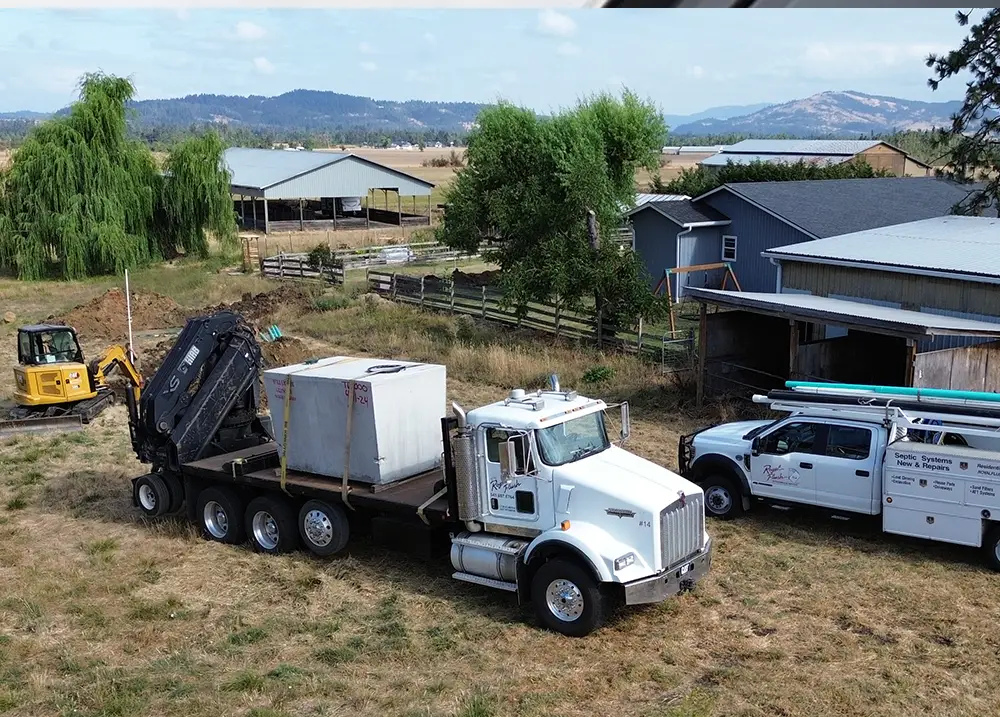
Contractors working throughout Eugene, Springfield, Lane County, and surrounding Oregon communities often manage equipment across several active job sites at once. Coordinating hauling schedules in advance helps keep machines available where they are needed while reducing delays that affect the entire project timeline.
Professional equipment hauling also helps move machinery safely between locations, allowing contractors to focus on production instead of logistics.
5. Work With Experienced Equipment Support Professionals
Construction schedules leave very little room for unexpected interruptions.
Working with experienced equipment professionals gives contractors dependable support for maintaining fleets, planning transportation, and responding quickly when service is needed.
Look for a partner that offers:
- Preventative maintenance programs
- Routine equipment inspections
- Fleet maintenance support
- Reliable equipment hauling
- Flexible scheduling
- Knowledge of heavy construction equipment
Having experienced support available allows project managers to spend more time managing crews and less time dealing with avoidable equipment problems.
Proactive Maintenance Keeps Projects Moving
Peak construction season is not the time to discover maintenance issues that could have been addressed weeks earlier.
Contractors who prioritize preventative maintenance, daily inspections, operator training, and organized equipment transportation experience fewer unexpected interruptions and keep projects moving more efficiently.
Building these habits not only extends equipment life but also improves productivity, safety, and project scheduling throughout the construction season.
Trust Anderson Brothers Trucking & Equipment
Construction companies across Eugene and the surrounding Oregon communities depend on reliable equipment to keep projects on schedule. At Anderson Brothers Trucking & Equipment, we provide preventative maintenance, equipment hauling, fleet support, and trucking services that help contractors reduce downtime and stay productive during the busiest months of the year.
If your fleet is preparing for peak construction season, now is the time to schedule maintenance and transportation before small issues become major delays.
Contact Anderson Brothers Trucking & Equipment today to schedule preventative maintenance or dependable equipment hauling and keep your projects moving from start to finish.