A heavy Equipment Transport in Eugene, OR requires careful planning before the truck even leaves the jobsite.
Incorrect equipment weights, missing permit information, inadequate securement, and unsuitable loading conditions can create compliance problems, safety concerns, and expensive project delays.
For contractors in Eugene, Oregon, October is a good time to review transportation requirements before winter weather adds another layer of difficulty.
Heavy Equipment Transport in Eugene, OR: Verify Weight and Dimensions
Accurate equipment information is essential for transportation planning.
Before arranging a move, confirm the machine’s operating weight, overall dimensions, and attachments. Buckets, blades, and other components may affect transportation measurements.
These details help determine suitable hauling equipment and whether special permits or route restrictions apply.
Oregon’s oversize and overweight transportation requirements depend on the vehicle, load, dimensions, weight, and intended route.
Contractors should verify applicable requirements with the Oregon Department of Transportation rather than assuming that a previous permit covers a new move.
Review Loading and Securement Requirements
Heavy equipment must be properly restrained during transportation.
Federal cargo securement regulations, including applicable provisions of 49 CFR Part 393, establish requirements for transporting machinery and other cargo.
Proper planning includes evaluating appropriate tiedowns, attachment points, and securement procedures.
Contractors should also communicate any unusual machine configuration or loading limitation before pickup.
Inspect Site Access Before Wet Weather
October rainfall can expose weaknesses in construction entrances, temporary access roads, and unloading areas.
Before scheduling transportation, inspect:
- Ground stability and available turning space.
- Loading and unloading surfaces.
- Overhead obstructions and clearance.
- Safe access for the intended transport configuration.
A compliant transportation plan still depends on a suitable location for loading and delivery.
Plan for Route and Permit Requirements
Route planning is another important part of heavy equipment transport in Eugene, OR, especially when oversized loads or seasonal road conditions are involved.
Before scheduling transportation, contractors should confirm whether the equipment dimensions or weight require special permits or route approval. It is also important to allow enough time for permit processing when oversized or overweight loads are involved.
Planning the route in advance can help reduce unexpected delays and make it easier to coordinate loading, travel, and delivery times.
Prepare Equipment Before Pickup
Equipment should be ready for transport before the hauling vehicle arrives.
Remove or secure loose tools, attachments, and materials that could shift during transportation. Check that movable components are properly positioned and that any attachments affecting the overall dimensions are clearly communicated beforehand.
Contractors should also make sure the equipment can be safely loaded and unloaded at both locations. Mud, standing water, limited turning space, or unstable surfaces can create additional challenges for transport vehicles.
Preparing the machine and the jobsite ahead of time helps the transportation process stay organized and reduces the chance of delays once the hauling equipment arrives.
Build Compliance Into Your Winter Preparation
The most effective approach is to address transportation requirements before the equipment is urgently needed elsewhere.
Confirm specifications, discuss permits and route considerations, and establish realistic pickup and delivery windows.
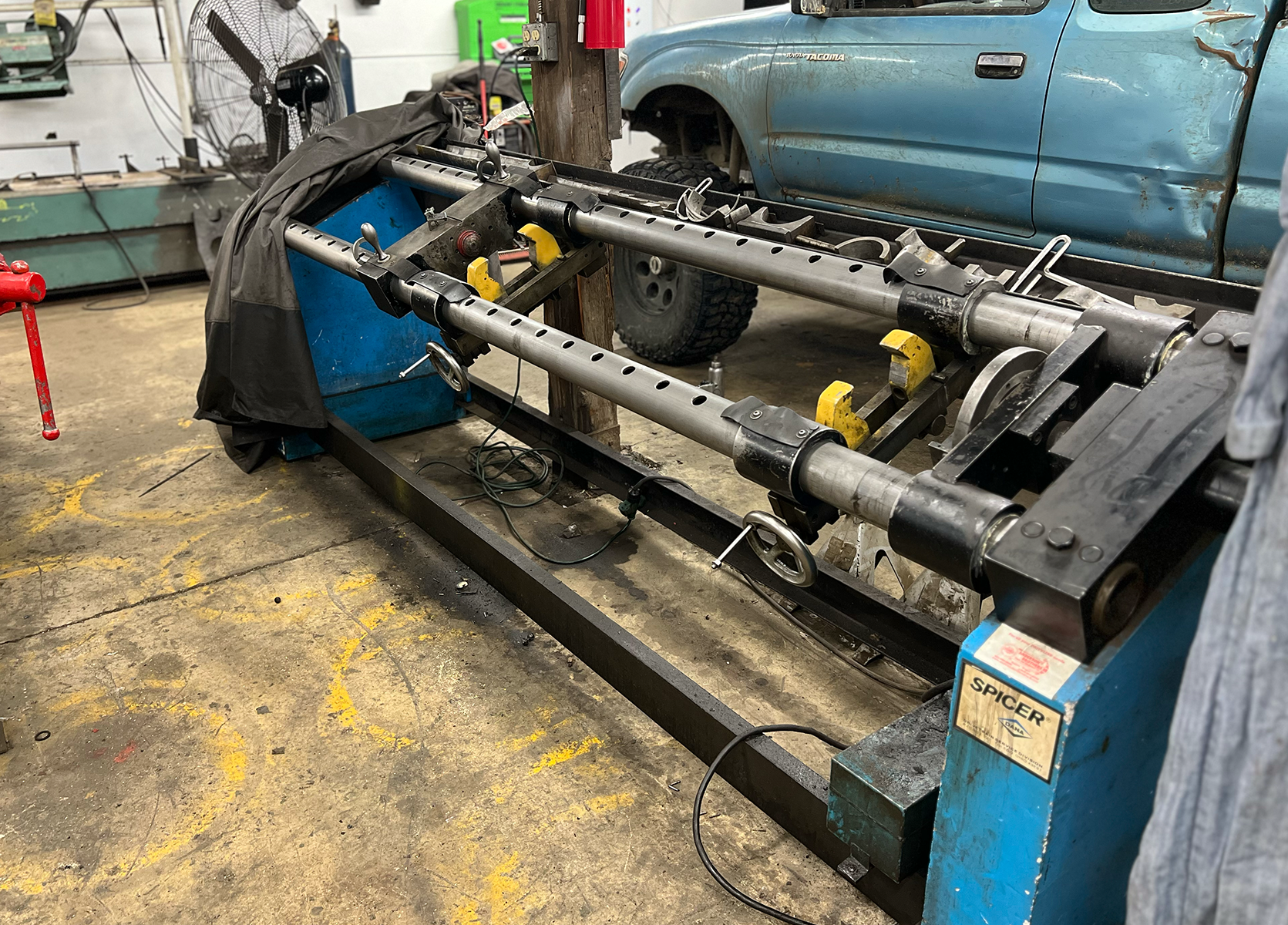
Contractors preparing equipment for winter should also inspect key components and address any needed driveline repair and fabrication before demanding seasonal work.
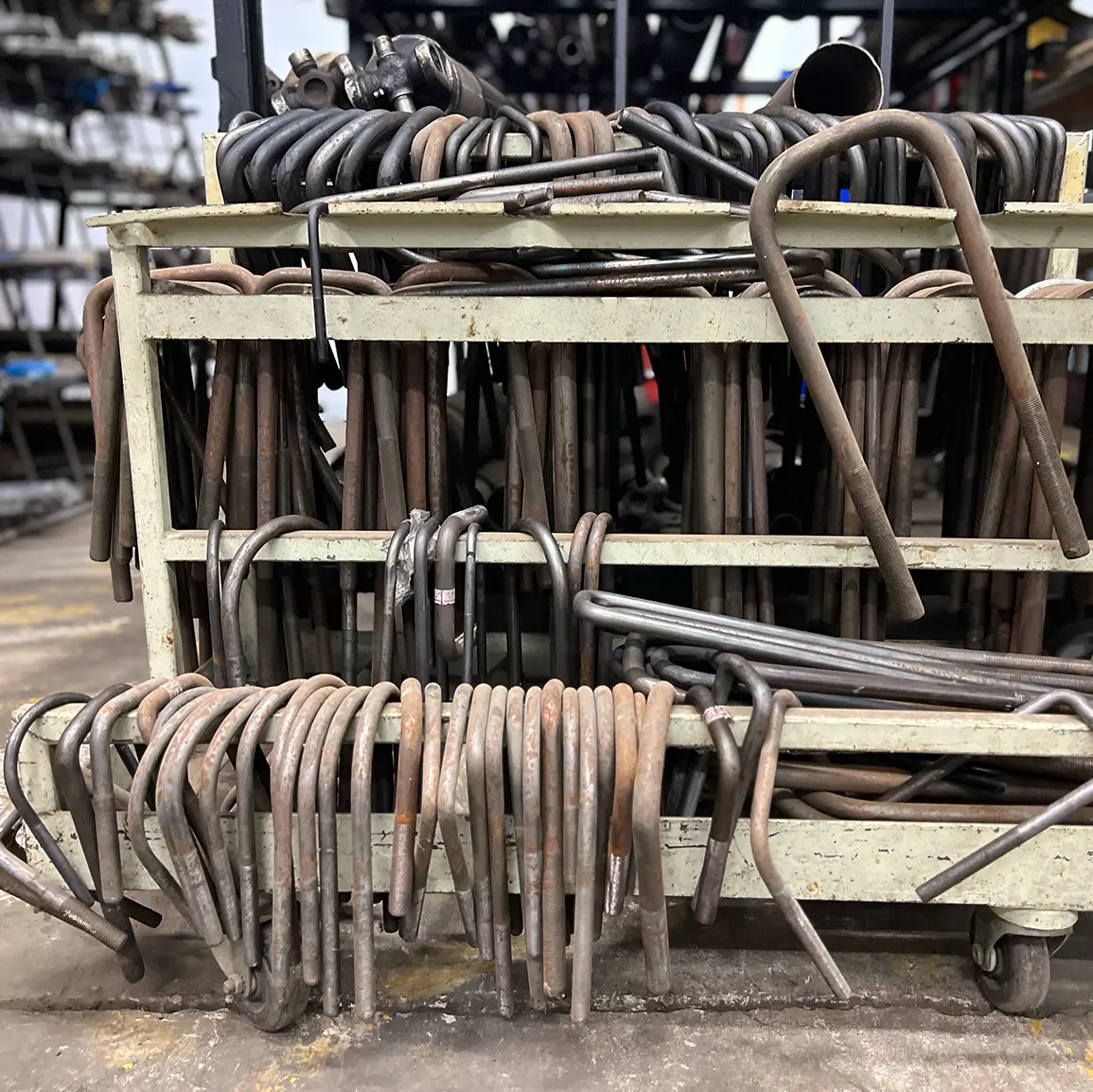
Anderson Brothers also provides custom U-bolts and truck parts for commercial trucks and equipment in Eugene.
Heavy Equipment Transport in Eugene, OR requires reviewing equipment condition, transportation details, site access, and route requirements before pickup to help prevent avoidable delays. Clear communication between contractors and the transportation provider also makes it easier to coordinate equipment movement when winter weather begins affecting schedules and jobsite conditions.
Preparing a heavy equipment move in Eugene or Lane County? Contact Anderson Brothers Trucking & Equipment to discuss a compliance-ready hauling plan before winter conditions complicate your schedule.