The most expensive equipment hauling problem isn’t always a delayed delivery. It can be damage to valuable machinery, an unsafe loading situation, or a preventable incident that disrupts an entire construction project.
As Oregon moves into its wetter months, contractors face changing ground conditions, reduced visibility, and additional transportation challenges.
The time to manage hauling risk is before equipment is loaded—not after something goes wrong.
Identify Equipment Hauling Risks Before Scheduling Transportation
Risk management starts with understanding the equipment and the jobsite.
Machine weight, dimensions, attachments, loading requirements, and delivery access should be communicated before transportation begins.
Incomplete information can result in unsuitable transport arrangements or unexpected delays.
Contractors should also identify site-specific hazards, including steep access roads, unstable ground, and limited maneuvering space.
Don’t Overlook Loading and Unloading
Loading and unloading are critical stages of equipment transportation.
Wet ramps, soft ground, and restricted working areas can create hazardous conditions for operators and drivers.
A practical prevention strategy includes inspecting the loading area, identifying stable surfaces, and confirming that qualified personnel and appropriate equipment are available.
If conditions are unsafe, postponing or modifying the operation may be necessary.
Understand Insurance and Responsibility
Contractors should clarify insurance coverage and contractual responsibilities before transporting valuable equipment.
Ask which policies may apply during loading, transit, and unloading. Review relevant coverage limits, exclusions, and documentation requirements.
Don’t assume that every type of equipment damage is automatically covered.
Clear agreements and accurate equipment records can help reduce confusion if an incident occurs.
Create a Pre-Transport Risk Checklist
Before the next equipment move, confirm:
- Equipment specifications are accurate.
- Applicable permits and route restrictions have been reviewed.
- Loading and delivery sites are suitable.
- Cargo securement requirements are understood.
- Insurance responsibilities have been clarified.
- Weather-related schedule changes can be communicated quickly.
These precautions won’t eliminate every risk, but they can reduce preventable problems.
Review Route and Access Conditions
Route planning can become more important as wet weather affects roads and jobsite access.
Before moving equipment, contractors should review the planned route for construction zones, narrow roads, low clearances, weight restrictions, and other conditions that could affect transportation.
Rain can also change site access quickly. Soft ground, standing water, and muddy entrances may make loading or delivery more difficult than expected.
Reviewing these conditions before pickup gives contractors more time to adjust timing, access, or transportation plans before delays occur.
Keep Equipment Details and Communication Organized
Clear records help make equipment hauling easier to coordinate.
Keep current information on machine weight, dimensions, attachments, condition, and any special loading requirements. Photos taken before transport can also provide a useful record of equipment condition.
Contractors should share important details before pickup, including access limitations, site conditions, delivery timing, and any concerns that could affect loading or unloading.
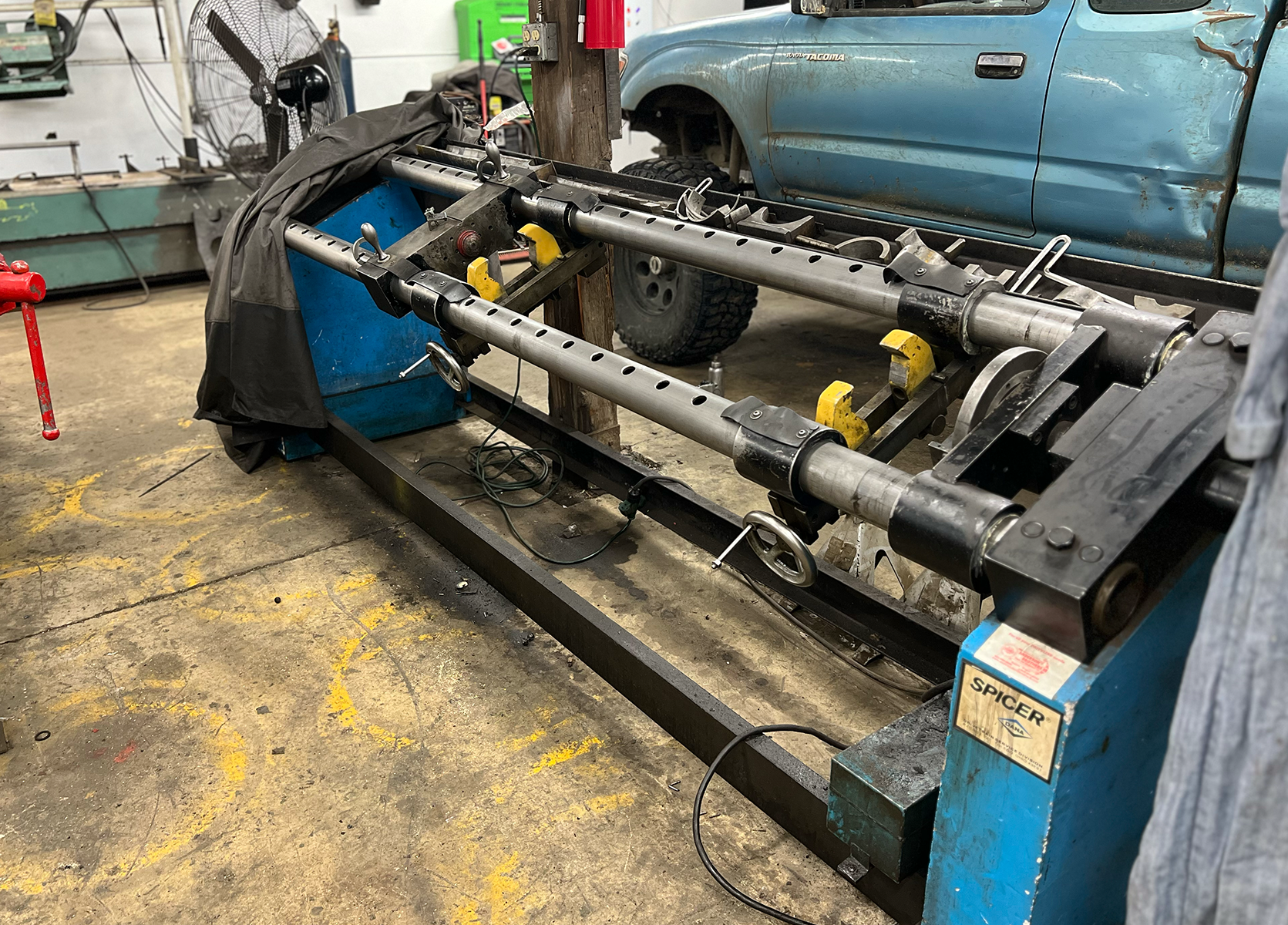
Contractors should also inspect equipment components and address needed driveline repair and fabrication before demanding transport or jobsite use.
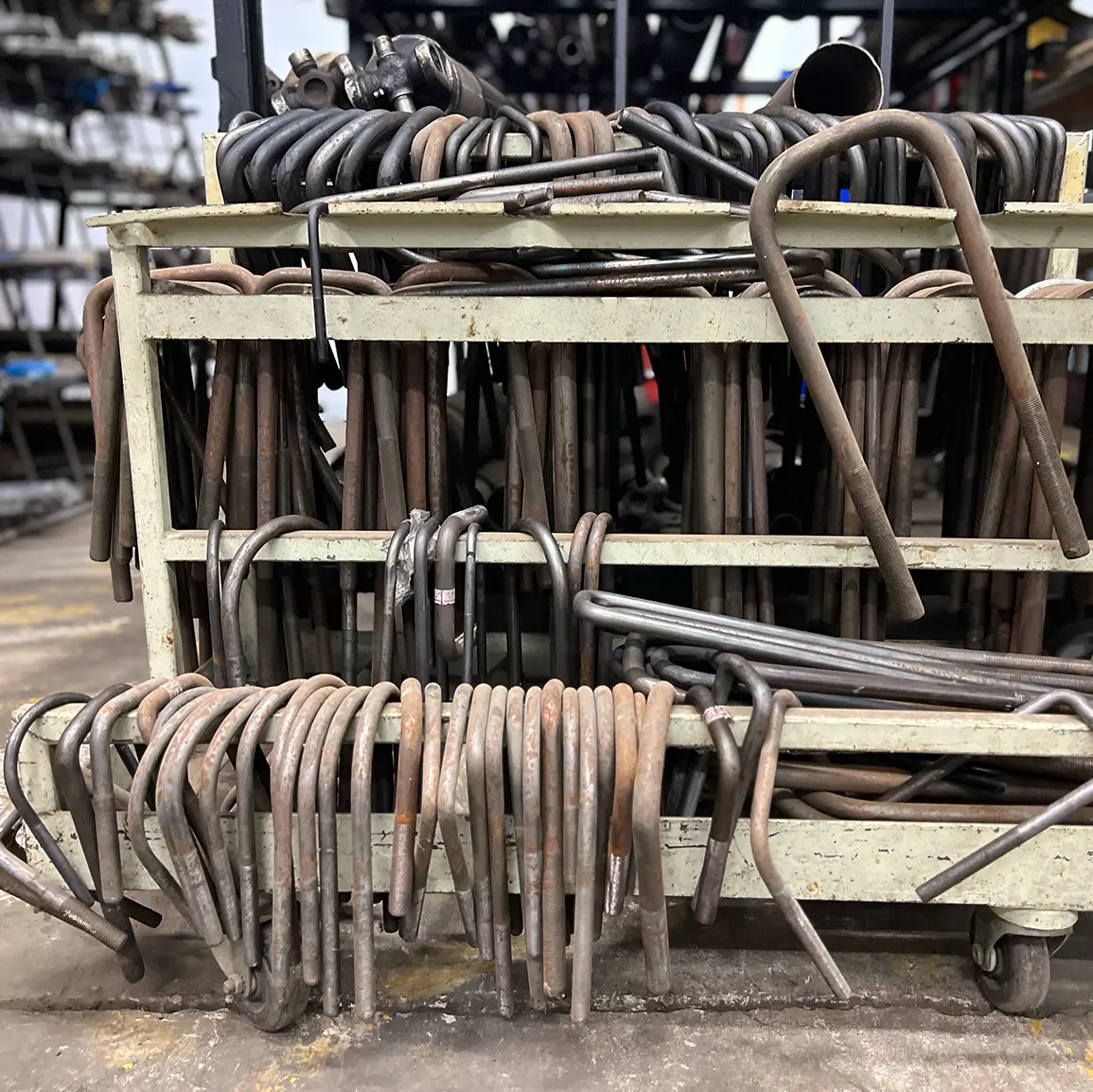
Anderson Brothers also provides custom U-bolts and truck parts for commercial trucks and equipment in Eugene.
Good communication helps everyone understand the plan and can reduce last-minute changes when weather or jobsite conditions become more difficult.
Plan Before the Rain Creates a Problem
Wet weather doesn’t have to bring construction logistics to a standstill. Preparation, clear communication, and realistic scheduling help contractors make better transportation decisions.
Anderson Brothers Trucking & Equipment is a point of contact for discussing upcoming equipment hauling requirements.
A little extra preparation can also help contractors avoid rushed decisions when weather conditions change. Reviewing equipment details, route conditions, loading areas, and communication plans before the move gives everyone more time to respond if rain affects access, timing, or jobsite conditions. That can make equipment hauling more predictable and easier to manage.
Don’t wait for a difficult loading situation or missed deadline. Contact Anderson Brothers Trucking & Equipment to discuss a compliance-ready hauling plan before your next equipment move.